Buyer guide
Stair Nosing and Floor Transition Strips DIY
Height mismatches, adhesive vs track systems, and safe edges between different floors.
Transitions are safety hardware dressed as trim. Carpet to vinyl, tile to wood, doorway height changes — each joint needs a profile that matches thickness and traffic. Measure twice; return once.
Name the joint
Carpet-to-hard, hard-to-hard, and doorway reducers are different shapes. Photos help; calipers help more.
Adhesive strips vs mechanical tracks
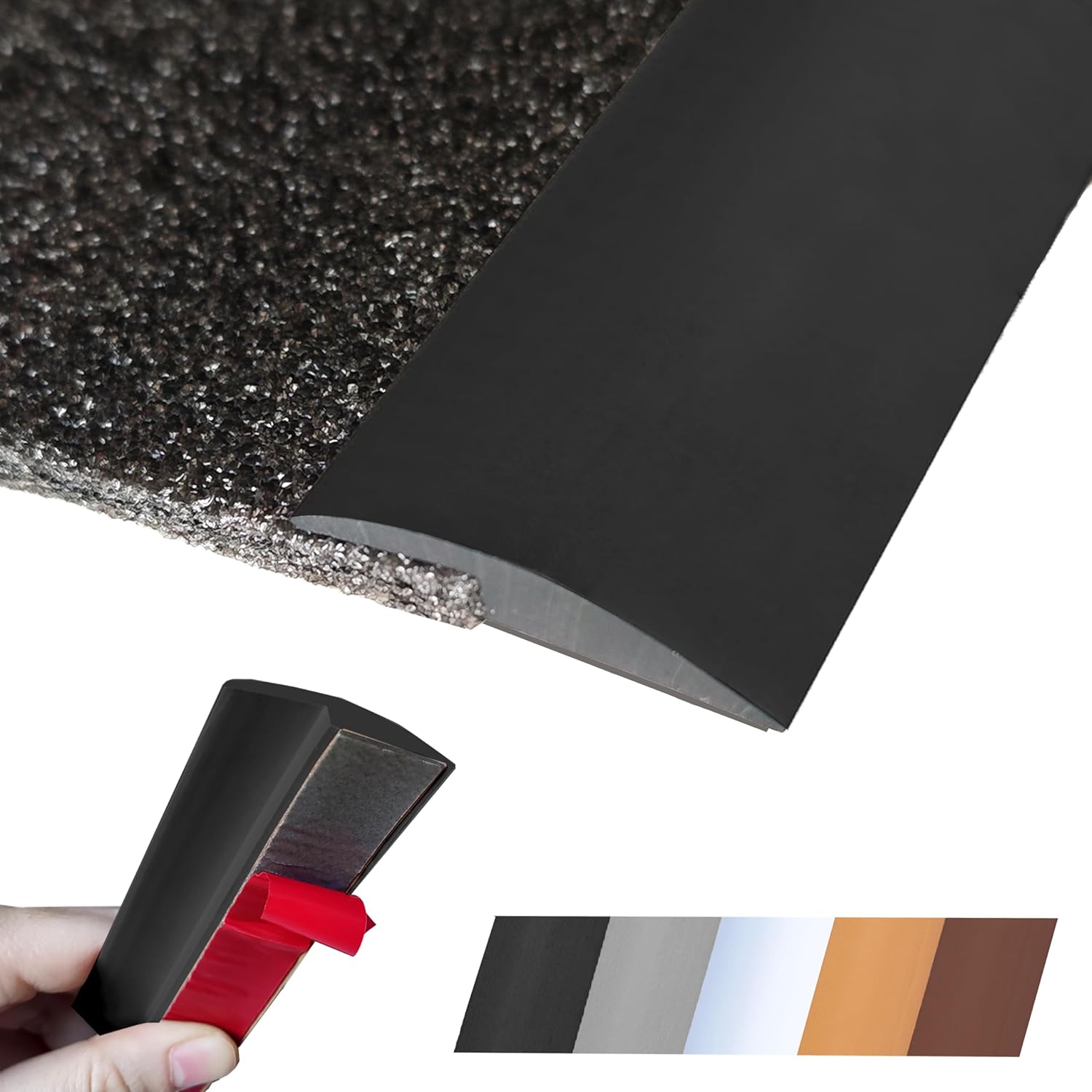
Peel-and-stick helps renters and light traffic. High traffic and stairs often want mechanical fasteners or manufacturer tracks.
Stairs are not flat floors
Nosing must grip and meet code expectations for your project. When stairs are structural or shared, bring a pro.
Starting picks
Catalog-backed on eFloorCovering. Confirm live price and specs on Amazon before you buy.




Straight answers
Can one strip do every doorway?
Rarely. Height and material pairs differ. Buy per opening after measuring finished heights.
Paint-match or wood-tone?
Match the dominant floor or the trim language of the house. High contrast highlights mistakes.
Are self-adhesive strips permanent?
They can be stubborn or fail early on dirty floors. Prep determines destiny.
Why does checkout go to Amazon?
eFloorCovering curates and explains. Amazon handles live price, shipping, and returns.
Still deciding? Ask us All guides Browse stairs-transitions
Not professional estimating or install certification advice. Manufacturer instructions win on your product.